Solar Sizing Calculator – Calculate Solar Panels, Batteries & Inverter Size

Solar Sizing Calculator: How to Properly Size Your Solar Power System
As electricity costs continue to rise and power supply remains unreliable, many homeowners and businesses are switching to solar energy. However, installing a solar system without proper calculations can lead to poor performance, frequent battery failures, and unnecessary expenses.
A Solar Sizing Calculator helps determine the correct size of solar panels, batteries, inverters, and charge controllers required to meet your energy needs efficiently.
This guide explains the complete solar sizing process and provides practical formulas used by professional solar engineers.
What is a Solar Sizing Calculator?
A Solar Sizing Calculator is a tool used to estimate the required capacity of a solar power system based on:
- Daily energy consumption
- Peak load demand
- Available sunlight hours
- Battery backup requirements
- System voltage
- Equipment efficiency
The goal is to ensure that the solar system produces enough energy to power all connected appliances while maintaining battery health and system reliability.
Step 1: Calculate Daily Energy Consumption
The first step in solar sizing is determining your daily energy usage.
Formula:
Daily Energy (Wh) = Appliance Wattage × Hours of Use
Example Load Schedule
| Appliance | Power (W) | Quantity | Hours/Day | Energy (Wh) |
|---|---|---|---|---|
| LED Bulbs | 10 | 10 | 8 | 800 |
| Fans | 75 | 4 | 10 | 3,000 |
| Television | 120 | 1 | 6 | 720 |
| Refrigerator | 200 | 1 | 12 | 2,400 |
| Laptop | 65 | 2 | 6 | 780 |
Total Daily Energy = 7,700Wh/day (7.7kWh/day)
This figure forms the foundation of every solar design.
Step 2: Size the Inverter
The inverter should be capable of handling the maximum load that may operate simultaneously.
Formula:
Inverter Size = Total Running Load × Safety Factor
Safety Factor = 1.25
Example:
Total Running Load = 2,500W
Inverter Size = 2,500 × 1.25
= 3,125W
Recommended inverter:
3.5kVA to 5kVA Pure Sine Wave Inverter
Always allow room for future expansion and startup surge currents from appliances such as refrigerators, air conditioners, and water pumps.
Step 3: Calculate Battery Bank Capacity
Battery sizing depends on:
- Daily energy requirement
- Backup autonomy days
- Battery voltage
- Depth of Discharge (DOD)
Formula:
Battery Capacity (Ah) = Daily Energy × Backup Days ÷ (Battery Voltage × DOD)
Example:
Daily Energy = 7,700Wh
Backup Days = 1
System Voltage = 48V
DOD = 80% (0.8)
Battery Capacity = 7,700 ÷ (48 × 0.8)
= 200Ah
Recommended Battery Bank:
48V 200Ah Lithium Battery
or
4 Units 12V 200Ah Batteries Connected in Series
Step 4: Calculate Solar Panel Capacity
Solar panels must generate enough energy to recharge the batteries and supply loads.
Formula:
Solar Array Size (W) = Daily Energy ÷ Peak Sun Hours
Example:
Daily Energy = 7,700Wh
Peak Sun Hours = 5
Solar Array Size = 7,700 ÷ 5
= 1,540W
Adding 25% design margin:
1,540 × 1.25
= 1,925W
Recommended Array:
- 4 × 550W Solar Panels = 2,200W
or
- 5 × 450W Solar Panels = 2,250W
This provides sufficient energy during cloudy weather and seasonal variations.
Step 5: Size the Charge Controller
The charge controller regulates power flowing from solar panels to batteries.
Formula:
Controller Current (A) = Solar Array Power ÷ Battery Voltage
Example:
Array Size = 2,200W
Battery Voltage = 48V
Controller Current = 2,200 ÷ 48
= 45.8A
Applying 25% safety margin:
45.8 × 1.25
= 57A
Recommended:
60A MPPT Charge Controller
Example Complete Solar System Design
Household Daily Load: 8kWh/day
Recommended System:
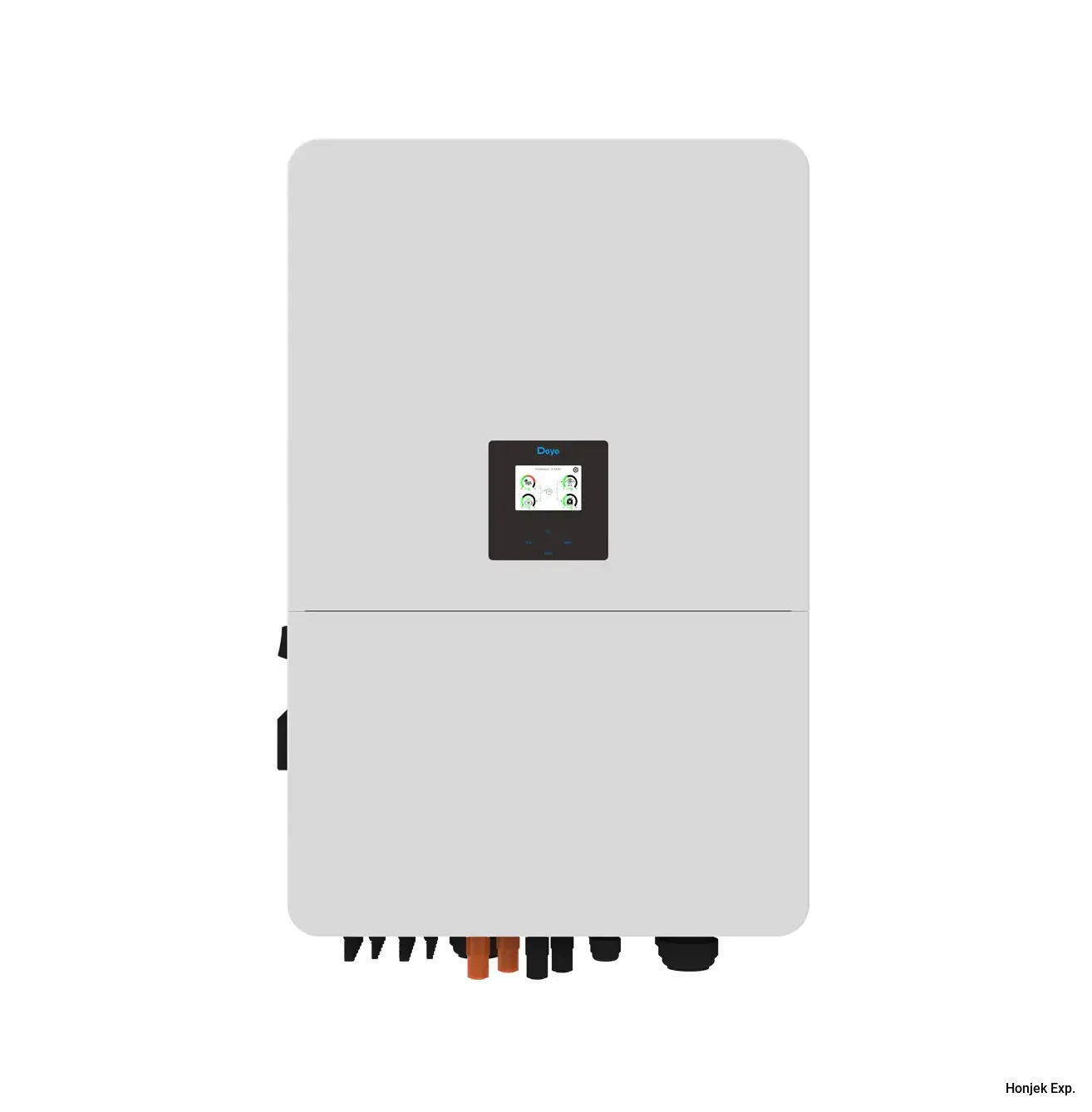
- Inverter: 5kVA Hybrid Inverter
- Battery Bank: 48V 200Ah Lithium Battery
- Solar Panels: 4 × 550W Panels
- Charge Controller: 60A MPPT
- Daily Solar Production: Approximately 8–10kWh
This configuration can comfortably power lighting, televisions, fans, laptops, refrigerators, and small office equipment.
Common Solar Sizing Mistakes
1. Undersized Battery Bank
Small batteries discharge deeply and fail prematurely.
2. Ignoring Surge Loads
Motors and compressors draw significantly higher startup current.
3. Insufficient Solar Panels
Panels must generate enough energy for both daytime loads and battery charging.
4. No Expansion Margin
Future appliances should be considered during design.
5. Using Generic Online Calculators
Every location has different sunlight conditions and load patterns.
Why Accurate Solar Sizing Matters
Proper solar sizing delivers:
- Longer battery lifespan
- Better inverter performance
- Reduced maintenance costs
- Higher energy efficiency
- Improved return on investment
- Reliable power supply
An accurately sized solar system can operate efficiently for more than 20 years with minimal performance degradation.
Final Thoughts
A Solar Sizing Calculator is one of the most important tools in solar system design. By accurately calculating daily energy consumption, inverter capacity, battery storage requirements, and solar panel output, homeowners and businesses can avoid costly mistakes and build reliable solar power systems.
Whether you are designing a residential, commercial, or industrial solar installation, proper sizing is the key to long-term performance and investment success.
For professional solar system design, load assessment, installation, and consultancy services, contact Honjek Technical Limited. :::
Calculate battery bank capacity
Recent Posts
A Complete Guide to Solar System Installation for Homes and Businesses
Solar Sizing Calculator – Calculate Solar Panels, Batteries & Inverter Size

How to Choose the Right Electrical Distribution Board for Your Home or Business in Nigeria
How to Size a Solar Inverter for Nigerian Homes (Complete Practical Guide)

E-commerce in Nigeria: Navigating the Challenges and Embracing the Opportunities


The Beginner's Guide to Pipe Cutters: Materials, Turning, When to Use, and More

Powering Innovation, Delivering Value.
Shop smart with Honjek Express Marketplace — your one-stop destination for quality electrical, solar, CCTV, and everyday products at competitive prices. Trusted service, verified products, and fast delivery you can rely on.

About Honjek Express
Welcome to Honjek Express — a fast-growing Nigerian online marketplace built to connect customers with quality technical products, engineering solutions, and reliable procurement services. Operated by HONJEK TECHNICAL LIMITED, Honjek Express combines technology, engineering expertise, and digital commerce to simplify access to solar energy products, electrical materials, CCTV security systems, industrial tools, technical books, and modern engineering solutions.
At Honjek Express, we focus on delivering trusted products, professional support, and value-driven services for individuals, businesses, contractors, institutions, and industries across Nigeria and beyond. Our platform is designed to bridge the gap between quality engineering products and customers seeking reliable, affordable, and durable solutions.
With years of practical experience in electrical installation, solar power systems, CCTV surveillance, industrial maintenance, and procurement services, our team understands the technical demands of modern projects. This enables us to recommend suitable products and solutions that meet real operational needs.
Our Core Services
Solar system products and accessories
Inverters, lithium batteries, and solar panels
CCTV cameras and security surveillance systems
Electrical installation materials and industrial components
Engineering procurement services
Technical books and educational materials
Professional technical consultation and support
Why Choose Honjek Express?
Quality and verified products
Technical engineering expertise
Competitive pricing
Reliable customer support
Fast response and delivery process
Commitment to innovation and customer satisfaction
Our mission is to promote modern engineering awareness, improve access to clean energy and security technology, and support businesses and homes with dependable technical solutions.
At Honjek Express, we do not just sell products — we provide practical engineering solutions that power businesses, secure properties, and improve lives.
Visit Honjek Express to explore our products and services.