A Complete Guide to Solar System Installation for Homes and Businesses
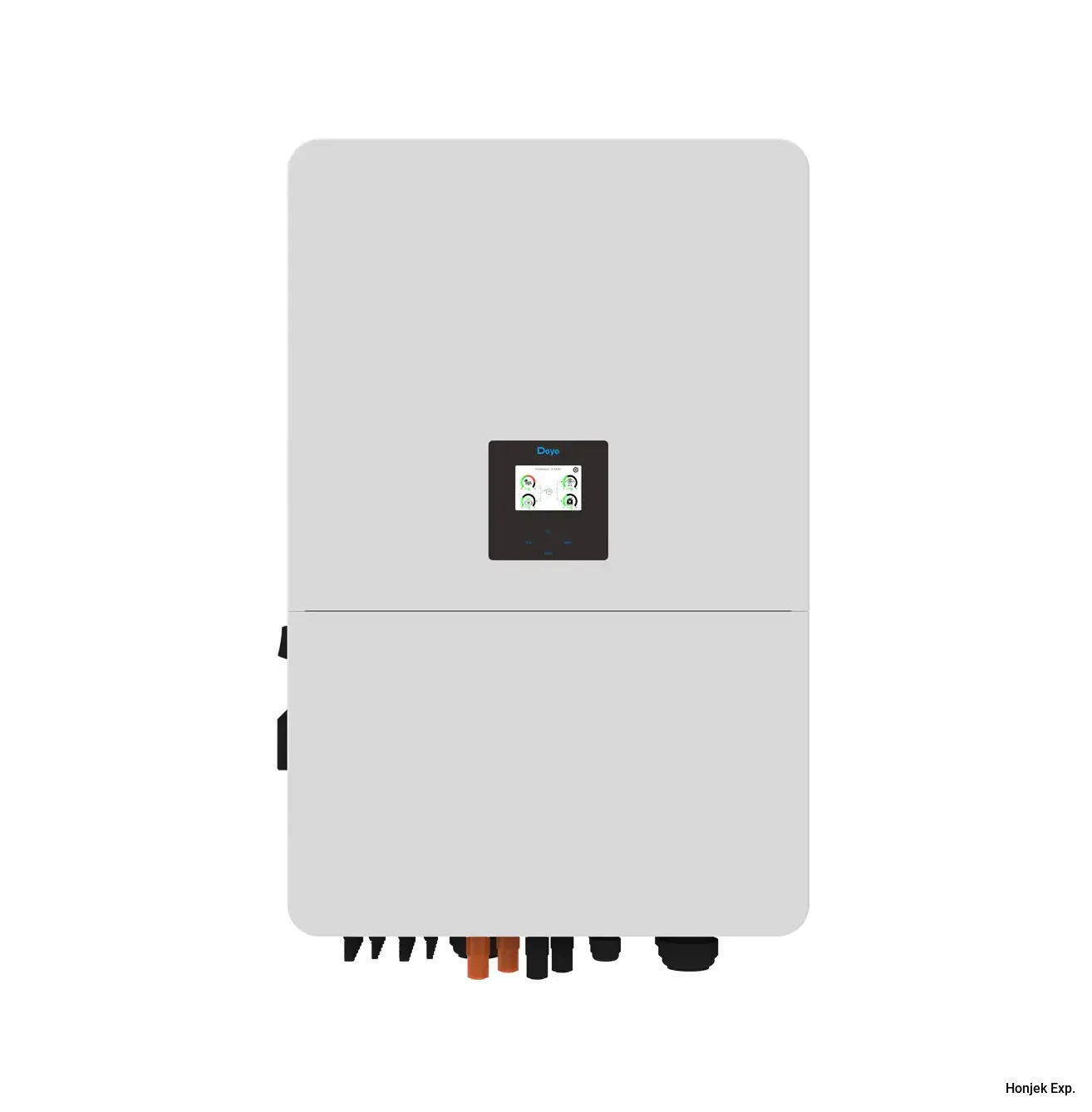
As energy costs continue to rise and power supply becomes less reliable, many homeowners and businesses are turning to solar energy as a long-term solution. Solar systems provide clean, renewable, and cost-effective electricity while reducing dependence on the national grid.
In this guide, you’ll learn what a solar system is, how solar system installation works, the benefits, and what to consider before installing one.
What Is a Solar System?
A solar system is a power solution that converts sunlight into electricity using solar panels. The electricity generated can be used immediately, stored in batteries, or fed into an inverter for household or business use.
A complete solar system typically includes:
- Solar panels
- Inverter
- Batteries (optional but recommended)
- Charge controller
- Mounting structure
-
Electrical wiring and protection devices
How Solar System Installation Works
Solar system installation follows a structured process to ensure safety, efficiency, and durability.
1. Energy Assessment
Before installation, a professional assesses:
- Your daily power consumption
- Appliances you want to run
- Available roof or ground space
- Budget and future expansion plans
This helps determine the system size you need.
2. Solar Panel Installation
Solar panels are mounted on rooftops or ground structures where they receive maximum sunlight. Proper panel positioning and tilt are crucial for optimal energy generation.
Panels capture sunlight and convert it into direct current (DC) electricity.
3. Inverter Connection
The inverter converts DC electricity from the panels into alternating current (AC), which is what most appliances use.
There are different inverter types:
- Pure sine wave inverters
- Hybrid inverters
- Grid-tied inverters
- Off-grid inverters
The right inverter depends on your energy needs and setup.
4. Battery Storage (Optional)
Batteries store excess power generated during the day for use at night or during power outages. This ensures uninterrupted electricity supply.
5. System Testing and Commissioning
After installation:
- All connections are tested
- Voltage and load performance are checked
- Safety devices are verified
- The system is powered on
Once tested, the system is ready for use.
Benefits of Solar System Installation
Installing a solar system comes with several advantages:
1. Reduced Electricity Bills
Solar power significantly lowers monthly electricity costs by generating free energy from sunlight.
2. Reliable Power Supply
With batteries, you enjoy uninterrupted power even during outages.
3. Environmentally Friendly
Solar energy is clean and reduces carbon emissions.
4. Low Maintenance
Solar systems require minimal maintenance, mainly panel cleaning and occasional inspections.
5. Long-Term Investment
Solar panels typically last 20–25 years, making them a smart long-term investment.
Types of Solar Systems
1. On-Grid Solar System
- Connected to the public power grid
- No batteries required
- Best for areas with stable electricity
2. Off-Grid Solar System
- Completely independent of the grid
- Uses batteries for storage
- Ideal for remote areas or unstable power supply
3. Hybrid Solar System
- Combines grid power and battery storage
- Offers flexibility and reliability
Things to Consider Before Installing a Solar System
Before proceeding with solar system installation, consider the following:
1. Power Needs
List all appliances you want to power and their energy consumption.
2. Installation Location
Ensure your roof or installation area:
- Receives sufficient sunlight
- Is structurally sound
- Has minimal shading
3. Budget
Solar systems vary in cost depending on size, components, and battery capacity.
4. Quality of Components
Always choose high-quality panels, inverters, and batteries for durability and efficiency.
5. Professional Installation
Proper installation ensures system safety, performance, and warranty protection.
Solar System Maintenance Tips
To keep your system working efficiently:
- Clean panels regularly to remove dust and dirt
- Inspect cables and connections periodically
- Monitor inverter performance
- Schedule professional checks annually
Is Solar System Installation Worth It?
Yes. Solar system installation is one of the smartest energy decisions for homes and businesses. It provides energy independence, reduces costs, and contributes to a cleaner environment.
With proper planning and professional installation, a solar system can serve you reliably for decades.
Conclusion
Solar system installation is more than just an alternative power source, it’s a long-term solution to rising energy costs and unreliable electricity. By understanding how solar systems work and choosing the right setup, you can enjoy uninterrupted power, savings, and peace of mind.
If you’re considering installing a solar system, consult a professional to design a solution tailored to your energy needs.
Recent Posts
A Complete Guide to Solar System Installation for Homes and Businesses

Solar Sizing Calculator – Calculate Solar Panels, Batteries & Inverter Size

How to Choose the Right Electrical Distribution Board for Your Home or Business in Nigeria
How to Size a Solar Inverter for Nigerian Homes (Complete Practical Guide)

E-commerce in Nigeria: Navigating the Challenges and Embracing the Opportunities


The Beginner's Guide to Pipe Cutters: Materials, Turning, When to Use, and More

Powering Innovation, Delivering Value.
Shop smart with Honjek Express Marketplace — your one-stop destination for quality electrical, solar, CCTV, and everyday products at competitive prices. Trusted service, verified products, and fast delivery you can rely on.

About Honjek Express
Welcome to Honjek Express — a fast-growing Nigerian online marketplace built to connect customers with quality technical products, engineering solutions, and reliable procurement services. Operated by HONJEK TECHNICAL LIMITED, Honjek Express combines technology, engineering expertise, and digital commerce to simplify access to solar energy products, electrical materials, CCTV security systems, industrial tools, technical books, and modern engineering solutions.
At Honjek Express, we focus on delivering trusted products, professional support, and value-driven services for individuals, businesses, contractors, institutions, and industries across Nigeria and beyond. Our platform is designed to bridge the gap between quality engineering products and customers seeking reliable, affordable, and durable solutions.
With years of practical experience in electrical installation, solar power systems, CCTV surveillance, industrial maintenance, and procurement services, our team understands the technical demands of modern projects. This enables us to recommend suitable products and solutions that meet real operational needs.
Our Core Services
Solar system products and accessories
Inverters, lithium batteries, and solar panels
CCTV cameras and security surveillance systems
Electrical installation materials and industrial components
Engineering procurement services
Technical books and educational materials
Professional technical consultation and support
Why Choose Honjek Express?
Quality and verified products
Technical engineering expertise
Competitive pricing
Reliable customer support
Fast response and delivery process
Commitment to innovation and customer satisfaction
Our mission is to promote modern engineering awareness, improve access to clean energy and security technology, and support businesses and homes with dependable technical solutions.
At Honjek Express, we do not just sell products — we provide practical engineering solutions that power businesses, secure properties, and improve lives.
Visit Honjek Express to explore our products and services.