


E-commerce in Nigeria: Navigating the Challenges and Embracing the Opportunities

The Challenges:
**1. Infrastructure Woes:**
* **Power Issues:** Unreliable electricity supply is a major pain point. Businesses need to invest in generators, which adds to operational costs.
* **Poor Road Network:** Delivery times can be unpredictable due to traffic congestion and road conditions, impacting customer satisfaction.
* **Limited Logistics Infrastructure:** The lack of a robust logistics network makes it difficult to reach customers efficiently, especially in remote areas.
**2. Payment Gateway Hurdles:**
* **Limited Payment Options:** Many Nigerians lack access to credit cards, limiting payment methods.
* **Security Concerns:** Fraud and online scams remain a significant concern, making customers hesitant to use online payment systems.
**3. Trust and Transparency:**
* **Building Customer Trust:** E-commerce is still relatively new in Nigeria, and building trust with customers is crucial.
* **Transparency in Operations:** Clear communication and transparency in pricing, delivery timelines, and return policies are essential for building credibility.
**4. Competition and Market Saturation:**
* **Emerging Players:** The e-commerce space is becoming increasingly crowded, making it challenging to stand out.
* **Price Wars:** Competition often leads to price wars, impacting profit margins.
### The Benefits:
**1. Reaching a Wider Audience:**
* **National Reach:** E-commerce allows businesses to reach customers across the country, even in remote areas.
* **Expanding Market Share:** It opens up opportunities to tap into new customer segments and expand market share.
**2. Cost-Effective Operations:**
* **Reduced Overhead Costs:** E-commerce businesses can operate with lower overhead costs compared to traditional brick-and-mortar stores.
* **Streamlined Operations:** Online platforms allow for more efficient order processing and inventory management.
**3. Enhanced Customer Experience:**
* **Convenience and Accessibility:** Customers can shop from the comfort of their homes at any time.
* **Wider Product Selection:** E-commerce platforms offer a wider range of products compared to traditional stores.
**4. Data-Driven Insights:**
* **Customer Analytics:** E-commerce platforms provide valuable data on customer behavior, allowing businesses to tailor their offerings and marketing strategies.
### Logistics Challenges and Solutions:
**1. Delivery Challenges:**
* **Solutions:** Partnering with reliable logistics providers, investing in last-mile delivery solutions, and exploring drone delivery options.
**2. Inventory Management:**
* **Solutions:** Implementing robust inventory management systems, optimizing warehouse space, and considering drop-shipping models.
**3. Security and Fraud:**
* **Solutions:** Implementing secure payment gateways, using advanced fraud detection systems, and educating customers about online security.
### The Future is Bright:
Despite the challenges, the future of e-commerce in Nigeria is promising. With increasing internet penetration, government support, and the emergence of innovative solutions, the industry is poised for significant growth. By embracing the opportunities and overcoming the hurdles, businesses can unlock the immense potential of e-commerce in Nigeria.
Recent Posts
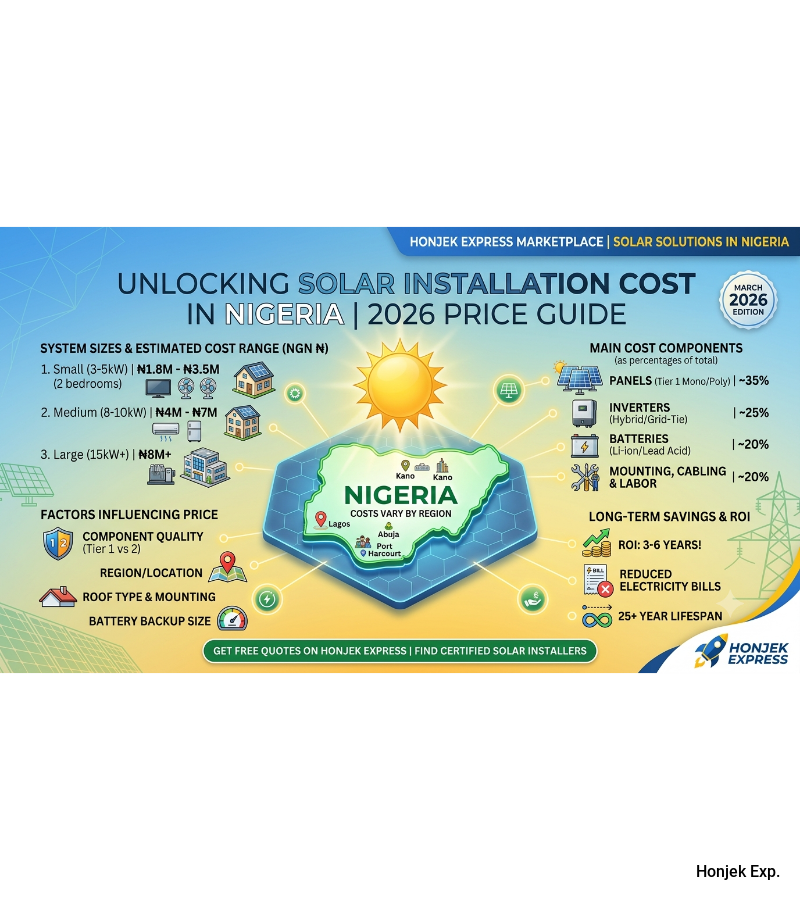
Honjek Technical Limited: Professional Solar Installation Company in Rivers State
Professional Solar Installation Company in Nigeria: What to Look For Before Choosing an Installer

Solar Maintenance: How to Keep Your Solar System Efficient, Reliable, and Long-Lasting

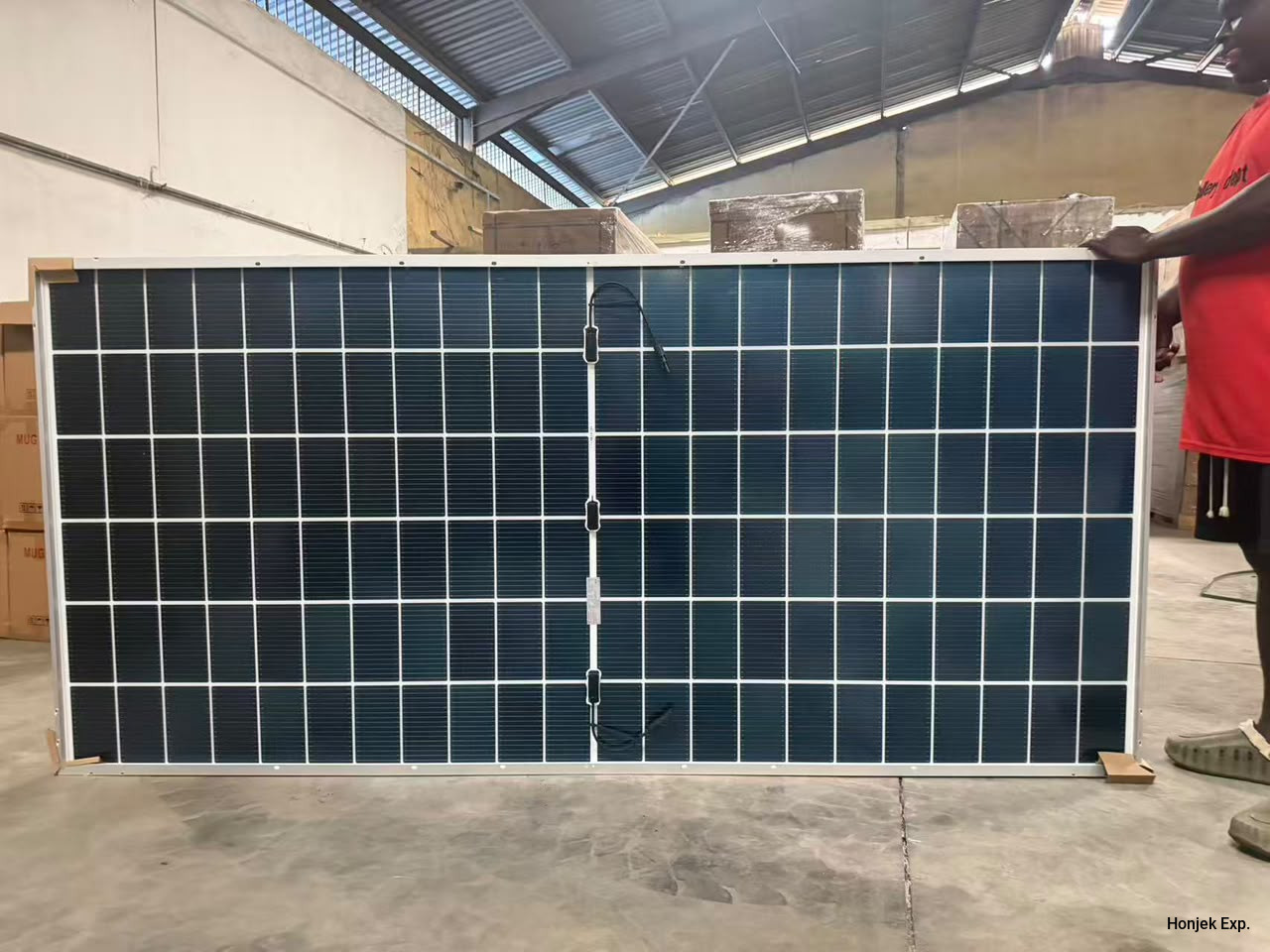
450W vs 550W vs 620W Solar Panels: Which Is Best for Your Solar System?
Solar Panel Wiring: Complete Guide to Solar PV Connections, Cable Sizing and Protection
Powering Innovation, Delivering Value.
Shop smart with Honjek Express Marketplace — your one-stop destination for quality electrical, solar, CCTV, and everyday products at competitive prices. Trusted service, verified products, and fast delivery you can rely on.
About Honjek Express
Welcome to Honjek Express — a fast-growing Nigerian online marketplace built to connect customers with quality technical products, engineering solutions, and reliable procurement services. Operated by HONJEK TECHNICAL LIMITED, Honjek Express combines technology, engineering expertise, and digital commerce to simplify access to solar energy products, electrical materials, CCTV security systems, industrial tools, technical books, and modern engineering solutions.
At Honjek Express, we focus on delivering trusted products, professional support, and value-driven services for individuals, businesses, contractors, institutions, and industries across Nigeria and beyond. Our platform is designed to bridge the gap between quality engineering products and customers seeking reliable, affordable, and durable solutions.
With years of practical experience in electrical installation, solar power systems, CCTV surveillance, industrial maintenance, and procurement services, our team understands the technical demands of modern projects. This enables us to recommend suitable products and solutions that meet real operational needs.
Our Core Services
Solar system products and accessories
Inverters, lithium batteries, and solar panels
CCTV cameras and security surveillance systems
Electrical installation materials and industrial components
Engineering procurement services
Technical books and educational materials
Professional technical consultation and support
Why Choose Honjek Express?
Quality and verified products
Technical engineering expertise
Competitive pricing
Reliable customer support
Fast response and delivery process
Commitment to innovation and customer satisfaction
Our mission is to promote modern engineering awareness, improve access to clean energy and security technology, and support businesses and homes with dependable technical solutions.
At Honjek Express, we do not just sell products — we provide practical engineering solutions that power businesses, secure properties, and improve lives.
Visit Honjek Express to explore our products and services.