
Electrical Distribution Box Selection and Allocation: A Complete Guide for Safe Electrical Installations

Electrical Distribution Box Selection and Allocation: A Complete Guide for Safe Electrical Installations
The electrical distribution box, also known as a distribution board (DB), consumer unit, or electrical panel, is the heart of every electrical installation. It distributes electrical power safely from the main supply to lighting circuits, socket outlets, air conditioners, industrial equipment, and other electrical loads while providing protection against overloads, short circuits, and earth faults.
Selecting the correct distribution box is essential for ensuring safety, system reliability, ease of maintenance, and future expansion. Whether you are wiring a home, office, factory, hotel, or commercial building, understanding distribution board selection and circuit allocation is critical.
This guide explains how to choose the right distribution box and allocate circuits professionally.
What Is an Electrical Distribution Box?
A distribution box is an enclosure that houses electrical protection devices such as:
- Main isolator
- Miniature Circuit Breakers (MCBs)
- Residual Current Devices (RCDs)
- Residual Current Breakers with Overcurrent Protection (RCBOs)
- Molded Case Circuit Breakers (MCCBs)
- Surge Protection Devices (SPDs)
- Neutral and earth bars
Its primary function is to distribute electrical power safely while protecting people and equipment.
Types of Distribution Boxes
1. Residential Distribution Boards
Suitable for:
- Houses
- Apartments
- Duplexes
- Small offices
Typical sizes include:
- 4-way
- 6-way
- 8-way
- 12-way
- 18-way
- 24-way
2. Commercial Distribution Boards
Used in:
- Schools
- Banks
- Hotels
- Shopping centres
- Office complexes
They normally have higher circuit capacities and additional protective devices.
3. Industrial Distribution Panels
Designed for:
- Manufacturing plants
- Oil and gas facilities
- Warehouses
- Processing industries
Industrial panels typically include MCCBs, contactors, overload relays, metering equipment, and busbar systems.
How to Select the Right Distribution Box
1. Determine the Total Electrical Load
Start with a load calculation by identifying all connected equipment.
Example:
| Equipment | Power |
|---|---|
| Lighting | 1.5 kW |
| Socket outlets | 3 kW |
| Air conditioners | 6 kW |
| Water heater | 3 kW |
| Pump | 2.2 kW |
Total connected load determines the size of the incoming breaker and the distribution board.
2. Determine the Number of Circuits
Each major load should have its own dedicated circuit.
Example for a three-bedroom house:
- Lighting circuit 1
- Lighting circuit 2
- Socket circuit 1
- Socket circuit 2
- Kitchen sockets
- Air conditioner
- Water heater
- Outdoor lighting
- Security system
- Spare circuits
A 12-way or 18-way distribution board would provide adequate capacity while allowing room for future expansion.
3. Choose the Correct Enclosure Size
Never select a distribution box based only on the number of circuits required today.
Always allow additional space for future installations such as:
- Solar systems
- Electric vehicle chargers
- CCTV systems
- Air conditioning upgrades
- Water pumps
- Smart home equipment
Installing a larger board initially is usually more economical than replacing an undersized one later.
Typical Circuit Allocation
Residential Example
| Circuit | Recommended Breaker |
|---|---|
| Lighting | 10A MCB |
| Socket outlets | 20A MCB |
| Kitchen sockets | 32A MCB |
| Water heater | 20A MCB |
| Air conditioner | 20–32A MCB |
| Water pump | 20–32A MCB |
| Outdoor lighting | 10A MCB |
| Spare circuits | As required |
Each circuit should be labelled clearly to simplify maintenance and fault finding.
Protection Devices Inside the Distribution Box
A properly designed distribution board should include:
Main Isolator
Allows complete isolation of the electrical installation.
MCB (Miniature Circuit Breaker)
Protects circuits against overloads and short circuits.
RCD (Residual Current Device)
Protects against electric shock by disconnecting power when leakage current is detected.
RCBO
Provides both overload and earth leakage protection for individual circuits.
SPD (Surge Protection Device)
Protects equipment against lightning and transient voltage surges.
Distribution Box Selection for Solar Systems
When integrating solar energy, the distribution board should accommodate:
- Solar AC isolator
- Generator input
- Hybrid inverter output
- Surge protection devices
- Changeover switch (if applicable)
- Dedicated inverter breaker
Selecting a larger board during installation simplifies future solar integration.
Common Installation Mistakes
Avoid these common errors:
- Using an undersized distribution board
- Installing too many circuits on one breaker
- Mixing lighting and power circuits unnecessarily
- Omitting earth leakage protection
- Poor cable management
- Inadequate labelling
- Using low-quality breakers and accessories
- Ignoring future expansion requirements
Best Practices
Professional electricians should always:
- Perform a complete load assessment
- Follow applicable electrical standards and regulations
- Use certified distribution boards and breakers
- Label every circuit clearly
- Maintain neat cable routing
- Test insulation resistance before energizing
- Verify earth continuity
- Test RCD operation
- Keep updated as-built documentation
Frequently Asked Questions
What size distribution box should I use for a three-bedroom house?
In most cases, a 12-way or 18-way distribution board provides sufficient capacity while allowing future expansion.
Can I install spare breakers now for future use?
Yes. Installing spare ways during construction reduces future modification costs.
Should every air conditioner have its own breaker?
Yes. High-power appliances should be supplied through dedicated circuits with correctly rated breakers.
Why is surge protection important?
Surge Protection Devices help protect sensitive electronics, appliances, and solar inverters from damage caused by lightning and voltage transients.
Conclusion
Choosing the correct electrical distribution box is one of the most important decisions in any electrical installation. A properly selected and professionally wired distribution board improves safety, simplifies maintenance, supports future expansion, and enhances overall system reliability.
Whether you are designing a residential, commercial, or industrial electrical system, investing in a high-quality distribution board with the correct circuit allocation and protection devices provides long-term value and peace of mind.
Why Buy Electrical Distribution Boxes from HonjekExpress?
HonjekExpress supplies high-quality electrical distribution boards, MCBs, MCCBs, RCDs, RCBOs, SPDs, changeover switches, busbars, and electrical accessories from trusted manufacturers. We also provide expert guidance on product selection for residential, commercial, industrial, and solar-powered electrical systems.
Whether you are an electrician, contractor, facility manager, or homeowner, HonjekExpress offers reliable products and technical support to help you build safe and efficient electrical installations.
Recent Posts
Honjek Technical Limited: Professional Solar Installation Company in Rivers State
Professional Solar Installation Company in Nigeria: What to Look For Before Choosing an Installer

Solar Maintenance: How to Keep Your Solar System Efficient, Reliable, and Long-Lasting
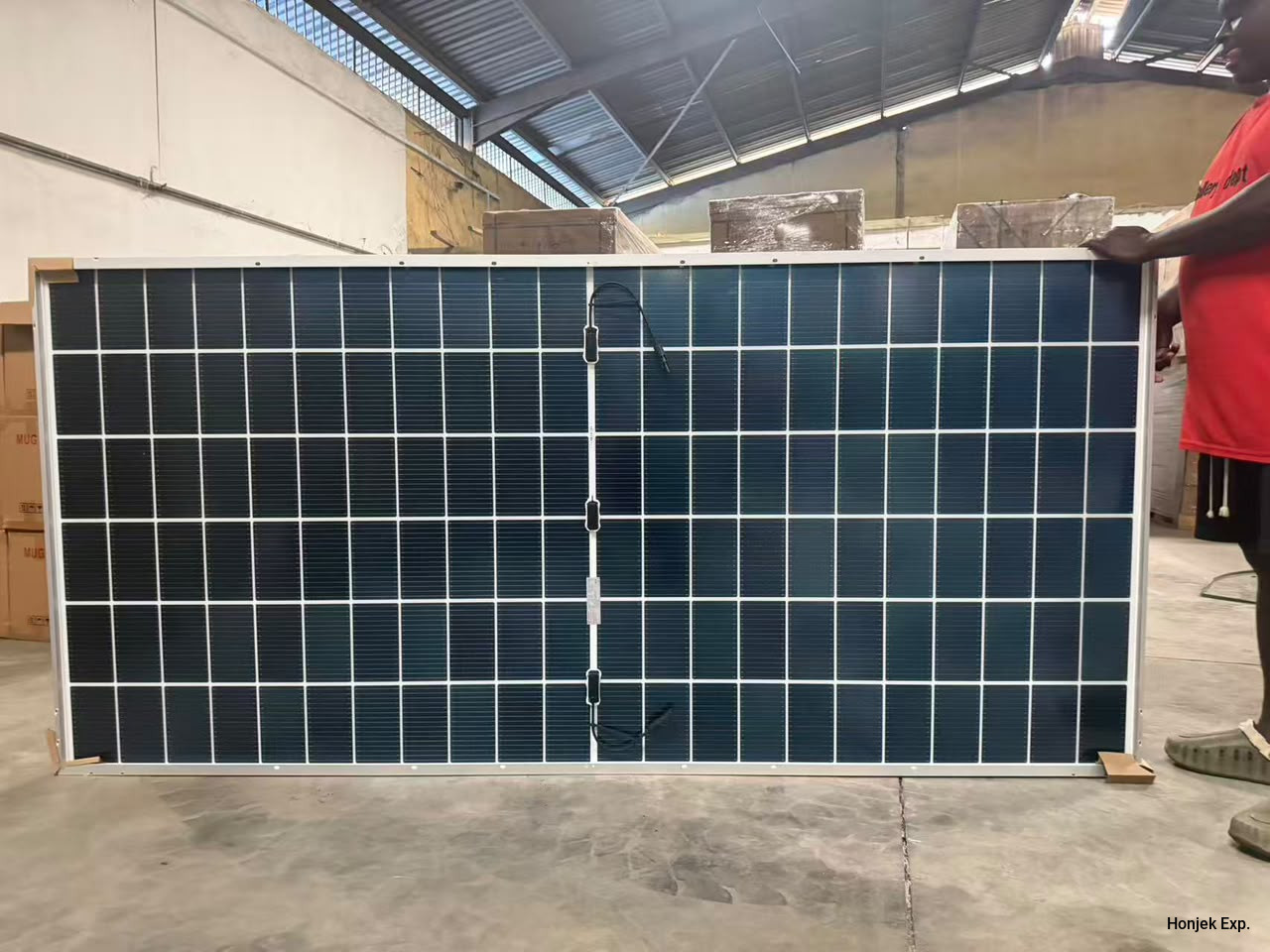
450W vs 550W vs 620W Solar Panels: Which Is Best for Your Solar System?
Solar Panel Wiring: Complete Guide to Solar PV Connections, Cable Sizing and Protection
Powering Innovation, Delivering Value.
Shop smart with Honjek Express Marketplace — your one-stop destination for quality electrical, solar, CCTV, and everyday products at competitive prices. Trusted service, verified products, and fast delivery you can rely on.

About Honjek Express
Welcome to Honjek Express — a fast-growing Nigerian online marketplace built to connect customers with quality technical products, engineering solutions, and reliable procurement services. Operated by HONJEK TECHNICAL LIMITED, Honjek Express combines technology, engineering expertise, and digital commerce to simplify access to solar energy products, electrical materials, CCTV security systems, industrial tools, technical books, and modern engineering solutions.
At Honjek Express, we focus on delivering trusted products, professional support, and value-driven services for individuals, businesses, contractors, institutions, and industries across Nigeria and beyond. Our platform is designed to bridge the gap between quality engineering products and customers seeking reliable, affordable, and durable solutions.
With years of practical experience in electrical installation, solar power systems, CCTV surveillance, industrial maintenance, and procurement services, our team understands the technical demands of modern projects. This enables us to recommend suitable products and solutions that meet real operational needs.
Our Core Services
Solar system products and accessories
Inverters, lithium batteries, and solar panels
CCTV cameras and security surveillance systems
Electrical installation materials and industrial components
Engineering procurement services
Technical books and educational materials
Professional technical consultation and support
Why Choose Honjek Express?
Quality and verified products
Technical engineering expertise
Competitive pricing
Reliable customer support
Fast response and delivery process
Commitment to innovation and customer satisfaction
Our mission is to promote modern engineering awareness, improve access to clean energy and security technology, and support businesses and homes with dependable technical solutions.
At Honjek Express, we do not just sell products — we provide practical engineering solutions that power businesses, secure properties, and improve lives.
Visit Honjek Express to explore our products and services.