

Choosing the Right Lithium Battery: A Complete Buyer's Guide for Solar Systems

As solar energy adoption continues to grow in Nigeria, lithium batteries have become the preferred choice for reliable energy storage. Whether you are installing a residential solar system, powering a commercial facility, or supporting industrial operations, selecting the right lithium battery is essential for long-term performance, safety, and return on investment.
This guide explains the most important factors to consider before purchasing a lithium battery and helps you match battery capacity to your energy requirements.
Why Lithium Batteries Are the Preferred Choice
Compared with traditional lead-acid batteries, lithium iron phosphate (LiFePO₄) batteries offer significant advantages:
Longer service life of 10–15 years
4,000–8,000 charge cycles depending on the model
Faster charging capability
Higher usable energy (typically 90–95% depth of discharge)
Lightweight and compact design
Minimal maintenance requirements
Stable voltage throughout discharge
Enhanced safety through integrated Battery Management Systems (BMS)
Although the initial purchase price is higher, the lower lifetime cost often makes lithium batteries the more economical choice.
Step 1: Determine Your Daily Energy Consumption
The first step is calculating how much electricity you use each day.
Example:
Appliance Power Daily Use Energy
LED Lights 120W 6 hrs 720Wh
Television 100W 5 hrs 500Wh
Refrigerator 180W 10 hrs 1,800Wh
Fans 150W 8 hrs 1,200Wh
Laptop 80W 6 hrs 480Wh
Total Daily Consumption = 4.7kWh
A battery should provide enough usable capacity to meet your required backup period.
Step 2: Select the Correct Battery Voltage
The battery voltage must match the inverter specification.
Typical combinations include:
Inverter Size Battery Voltage
1kW 12V
2–3kW 24V
3.6–6kW 48V
8–12kW 48V
Commercial Systems 96V and above
For most modern hybrid inverters, a 48V lithium battery is the standard choice.
Step 3: Choose the Right Battery Capacity
Battery capacity is usually expressed in ampere-hours (Ah) and kilowatt-hours (kWh).
Common options include:
Battery Capacity Typical Application
5kWh Small homes
10kWh Medium-sized homes
15kWh Large homes
20kWh+ Offices and commercial buildings
Always size the battery according to your daily energy demand and desired backup duration.
Step 4: Verify Battery Compatibility
Not every lithium battery communicates correctly with every inverter.
Before purchasing, confirm:
Battery communication protocol (CAN or RS485)
Inverter compatibility
Manufacturer-approved integration
Supported firmware versions
Proper communication allows the inverter to accurately monitor battery status and optimize charging.
Step 5: Check the Battery Management System (BMS)
A high-quality BMS is essential because it protects the battery against:
Overcharging
Over-discharging
Overcurrent
Short circuits
High temperatures
Cell imbalance
An advanced BMS also improves battery lifespan and operational safety.
Step 6: Evaluate Cycle Life
Cycle life indicates how many complete charge and discharge cycles a battery can perform before capacity declines significantly.
Cycle Rating Approximate Lifespan
3,000 Cycles 8 years
4,000 Cycles 10 years
6,000 Cycles 15 years
8,000 Cycles 20 years (under optimal conditions)
Higher cycle ratings generally provide better long-term value.
Step 7: Consider Scalability
Many lithium battery systems allow future expansion.
If your electricity demand may increase, choose a battery platform that supports parallel connection so additional capacity can be added later without replacing the entire system.
Step 8: Review Warranty and Technical Support
Choose manufacturers that provide:
Clear warranty terms
Local technical support
Available spare parts
Firmware updates
Reliable after-sales service
A longer warranty often reflects confidence in product quality.
Common Mistakes to Avoid
Avoid these frequent purchasing errors:
Choosing a battery based solely on price
Ignoring inverter compatibility
Buying insufficient battery capacity
Overlooking BMS features
Installing without professional system design
Failing to consider future expansion
Which Lithium Battery Is Right for You?
Small Apartments
5kWh battery
3.6kW inverter
Family Homes
10kWh battery
5kW hybrid inverter
Large Homes
15–20kWh battery
8–10kW hybrid inverter
Commercial Buildings
Modular battery banks
Three-phase hybrid inverter systems
Frequently Asked Questions
How long does a lithium battery last?
A quality LiFePO₄ battery typically lasts between 10 and 15 years, depending on usage, operating temperature, and maintenance.
Is a lithium battery better than a lead-acid battery?
Yes. Lithium batteries generally offer longer lifespan, higher efficiency, deeper usable capacity, faster charging, and lower maintenance requirements.
Can I expand my battery system later?
Many modern lithium batteries support parallel expansion. Confirm the manufacturer's specifications before purchase.
Which battery voltage is best for a home solar system?
Most modern residential hybrid solar systems use 48V lithium batteries because they provide better efficiency and compatibility with current inverter technology.
Conclusion
Choosing the right lithium battery requires more than comparing prices. Battery capacity, voltage, inverter compatibility, BMS quality, cycle life, warranty, and scalability all influence long-term performance and value.
Investing in a properly sized, high-quality lithium battery helps maximize energy independence, reduce operating costs, and ensure reliable backup power for years to come.
Why Buy from HonjekExpress?
At HonjekExpress, we offer carefully selected lithium batteries, hybrid inverters, solar panels, and complete solar solutions from trusted manufacturers. Our experienced technical team can help you choose the right battery based on your energy consumption, budget, and future expansion plans.
Whether you need a residential backup system or a large commercial energy storage solution, HonjekExpress provides expert guidance, quality products, and dependable after-sales support.
Recent Posts

Honjek Technical Limited: Professional Solar Installation Company in Rivers State
Professional Solar Installation Company in Nigeria: What to Look For Before Choosing an Installer
Solar Maintenance: How to Keep Your Solar System Efficient, Reliable, and Long-Lasting
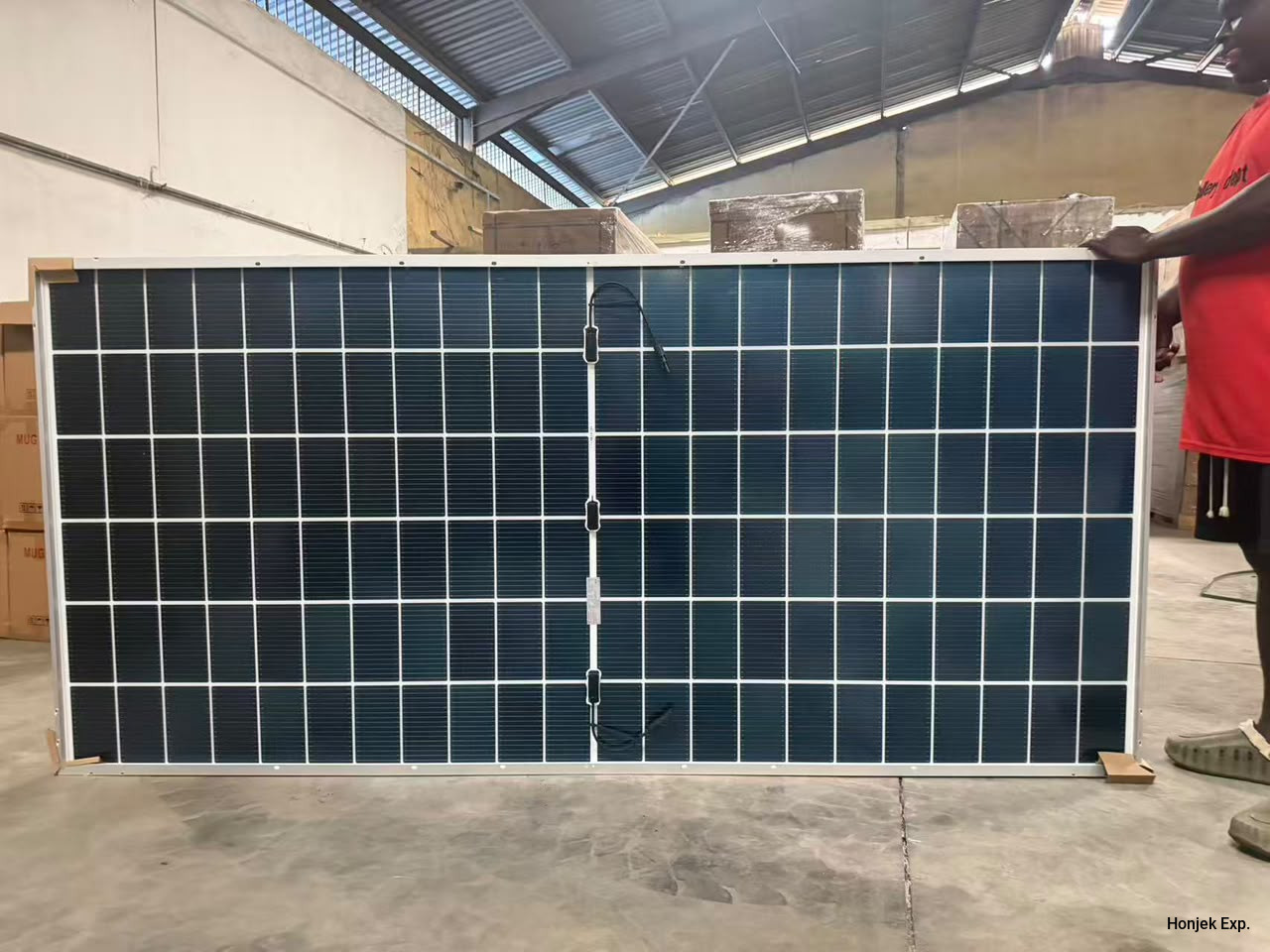
450W vs 550W vs 620W Solar Panels: Which Is Best for Your Solar System?
Solar Panel Wiring: Complete Guide to Solar PV Connections, Cable Sizing and Protection
Powering Innovation, Delivering Value.
Shop smart with Honjek Express Marketplace — your one-stop destination for quality electrical, solar, CCTV, and everyday products at competitive prices. Trusted service, verified products, and fast delivery you can rely on.

About Honjek Express
Welcome to Honjek Express — a fast-growing Nigerian online marketplace built to connect customers with quality technical products, engineering solutions, and reliable procurement services. Operated by HONJEK TECHNICAL LIMITED, Honjek Express combines technology, engineering expertise, and digital commerce to simplify access to solar energy products, electrical materials, CCTV security systems, industrial tools, technical books, and modern engineering solutions.
At Honjek Express, we focus on delivering trusted products, professional support, and value-driven services for individuals, businesses, contractors, institutions, and industries across Nigeria and beyond. Our platform is designed to bridge the gap between quality engineering products and customers seeking reliable, affordable, and durable solutions.
With years of practical experience in electrical installation, solar power systems, CCTV surveillance, industrial maintenance, and procurement services, our team understands the technical demands of modern projects. This enables us to recommend suitable products and solutions that meet real operational needs.
Our Core Services
Solar system products and accessories
Inverters, lithium batteries, and solar panels
CCTV cameras and security surveillance systems
Electrical installation materials and industrial components
Engineering procurement services
Technical books and educational materials
Professional technical consultation and support
Why Choose Honjek Express?
Quality and verified products
Technical engineering expertise
Competitive pricing
Reliable customer support
Fast response and delivery process
Commitment to innovation and customer satisfaction
Our mission is to promote modern engineering awareness, improve access to clean energy and security technology, and support businesses and homes with dependable technical solutions.
At Honjek Express, we do not just sell products — we provide practical engineering solutions that power businesses, secure properties, and improve lives.
Visit Honjek Express to explore our products and services.